 May, 27 2026
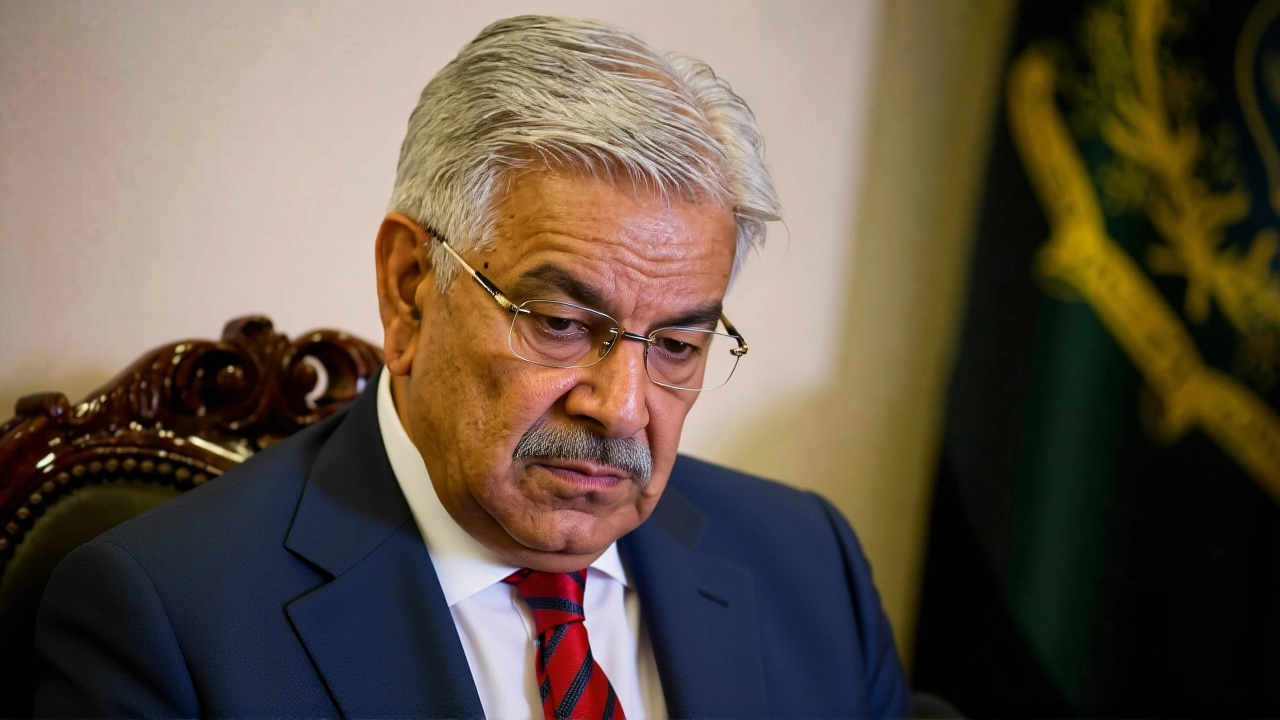
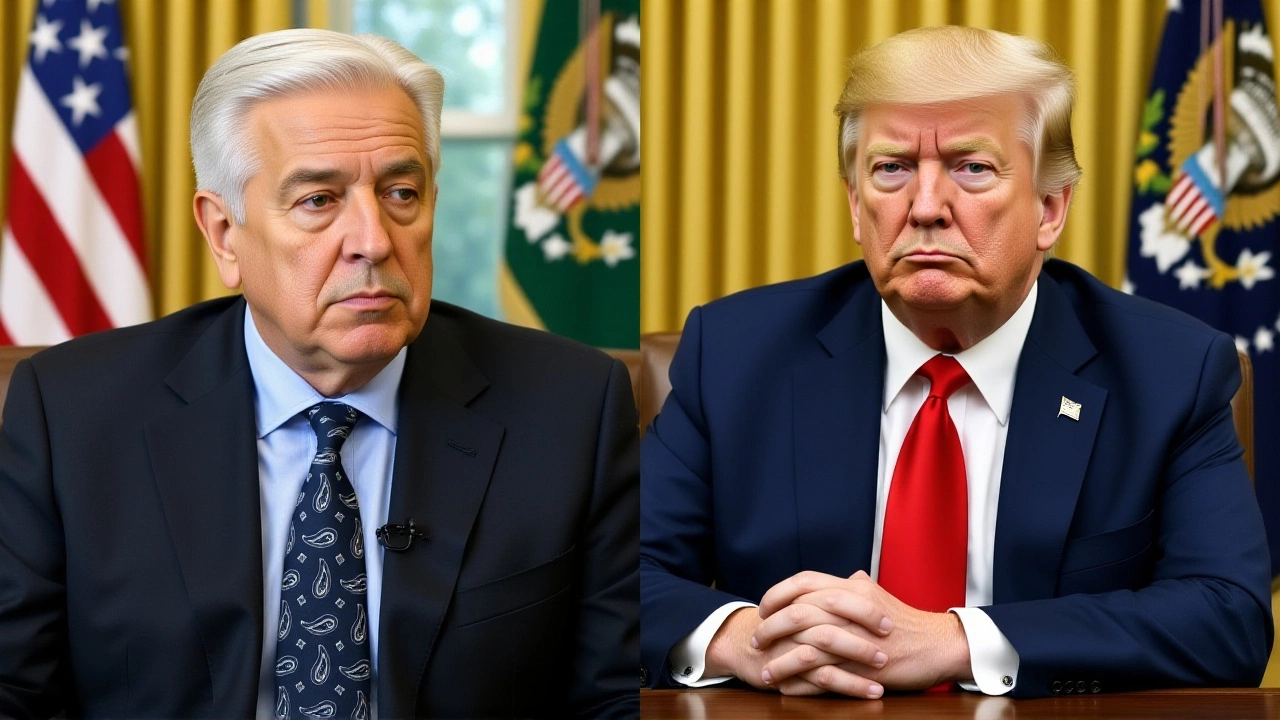
When Khawaja Asif, Defense Minister of Pakistan, publicly dismissed former US President Donald Trump as completely untrustworthy, it wasn’t just a diplomatic snub—it was a direct challenge to Washington’s Middle East strategy. The comments, made during a recent interview, came in response to Trump’s insistence that Muslim nations involved in talks with Iran should sign the Abraham Accords.
Here’s the thing: this isn’t just about one agreement. It’s about a fundamental clash of worldviews. While Washington pushes for normalization deals across the Middle East, Islamabad is doubling down on its skepticism of American motives. Asif didn’t mince words, stating there is "not an iota of trust" in Trump’s promises.
The Core Dispute: Abraham Accords and Trust
The friction centers on the Abraham Accords, a series of agreements brokered by the Trump administration between Israel and several Arab states. Trump has repeatedly urged other Muslim-majority countries, including those engaged in dialogue with Iran, to follow suit. For Pakistan, however, the timing and context feel off.
Asif’s rejection signals a broader discomfort with US-led diplomacy in the region. Pakistan has historically maintained a complex relationship with both Israel and Iran, balancing security concerns with public sentiment heavily influenced by the Palestinian cause. Signing such accords without addressing core regional grievances—particularly regarding Palestine—is politically untenable for many leaders in Islamabad.
But wait, the criticism goes deeper than just foreign policy alignment. Asif used the platform to launch a scathing attack on what he perceives as America’s profit-driven approach to global conflict.
Accusations of War Profiteering
In a viral segment that has sparked debate across social media, Asif accused the United States of deliberately fueling conflicts to benefit its military-industrial complex. He claimed that over the past century, the US has been involved in 260 wars, contrasting this sharply with China’s involvement in only three.
"America has been making money from these wars," Asif argued. "The military industry is a major part of their GDP. That’s why they need to create wars." This assertion ties directly into long-standing critiques of US foreign policy, suggesting that economic incentives often outweigh humanitarian or strategic stability goals.
He pointed to Afghanistan, Syria, and Libya as examples where, according to him, previously prosperous nations were left bankrupt and devastated due to US intervention. These claims resonate with critics who argue that prolonged engagements have drained resources and destabilized regions rather than securing lasting peace.
Historical Context and Regional Tensions
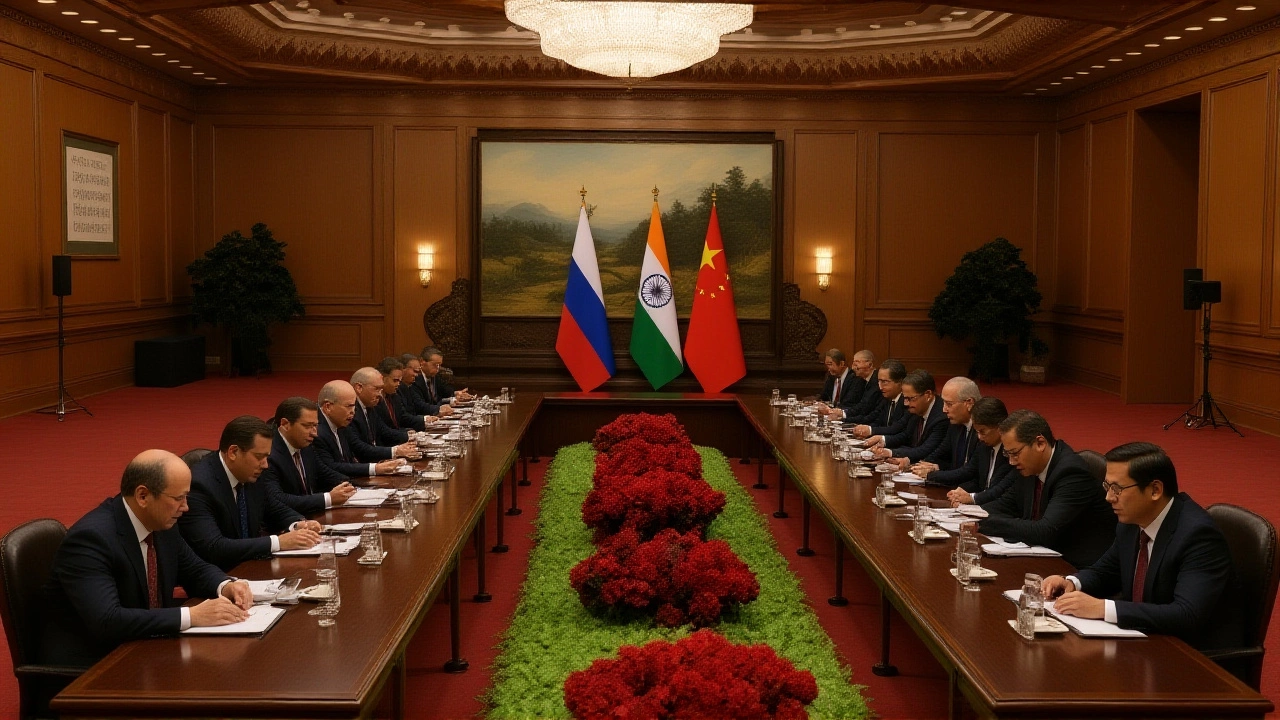
To understand why these remarks matter, we need to look back. The US-Pakistan relationship has always been transactional, shifting dramatically based on geopolitical needs—from the Cold War alliance against the Soviet Union in Afghanistan to the post-9/11 War on Terror. Many in Pakistan feel betrayed when US priorities shift, leaving them bearing the brunt of instability.
Asif also referenced India-Pakistan tensions, suggesting that even during crises between the two nuclear neighbors, the US plays a double game. He alleged that while Washington didn’t openly support India, it encouraged ceasefire talks primarily to maintain arms sales to both sides. Whether accurate or not, this narrative reinforces a deep-seated suspicion in Islamabad about American neutrality.
Interestingly, similar sentiments are echoed elsewhere in the Global South. Countries like Brazil and South Africa have increasingly questioned Western dominance in international institutions, arguing for a multipolar world order. Pakistan’s stance fits within this growing trend of asserting sovereignty against perceived imperial overreach.
Impact on US-Pakistan Relations
So, what does this mean for bilateral ties? In the short term, expect cooler diplomatic exchanges. Publicly calling out a prominent US figure undermines trust at the highest levels. However, practical cooperation may continue quietly, especially on counterterrorism and trade issues where interests still align.
Experts note that while rhetoric heats up, underlying dependencies remain. Pakistan relies on IMF loans and technology transfers, while the US values Pakistan’s geographic position near Afghanistan and Central Asia. Neither side wants a complete breakdown—but neither is willing to compromise fully either.
What’s next? Watch for increased Chinese influence in Pakistan’s defense sector. With Beijing offering alternatives free from political conditions, Islamabad might accelerate partnerships with Chinese firms for equipment and infrastructure projects. This could further complicate US efforts to engage the region.
Background Deep Dive
The Abraham Accords themselves represent a significant shift in Middle Eastern diplomacy. Signed in 2020, they normalized relations between Israel and UAE, Bahrain, Sudan, and Morocco. Supporters hailed them as breakthroughs; critics warned they sidelined Palestinian rights. For Pakistan, which hosts millions of refugees and maintains strong cultural ties with the Arab world, joining such initiatives requires careful navigation.
Moreover, domestic politics play a role. Any leader seen as capitulating to US pressure risks backlash from nationalist groups and religious parties. Asif’s firm stance likely reflects internal calculations as much as external realities.
Frequently Asked Questions
Why did Khawaja Asif reject the Abraham Accords?
Asif rejected the accords because he views them as ignoring key regional issues, particularly the plight of Palestinians. He believes signing such deals under US pressure compromises national sovereignty and alienates public opinion in Pakistan and across the Muslim world.
What exactly did Asif accuse the US of doing?
He accused the US of intentionally prolonging conflicts to boost its military-industrial complex, citing figures like 260 wars over the last century. He linked this behavior to economic gains, claiming war profits significantly contribute to America’s GDP.
How does this affect US-Pakistan relations?
While public diplomacy may cool, practical cooperation will likely persist due to mutual dependencies. However, Pakistan may seek closer ties with China as an alternative partner, reducing reliance on US aid and technology.
Is the claim about 260 US wars accurate?
The number varies depending on definition—some count minor interventions, others don’t. Historians generally agree the US has participated in numerous conflicts since WWII, though exact counts differ widely among sources.