 May, 27 2026
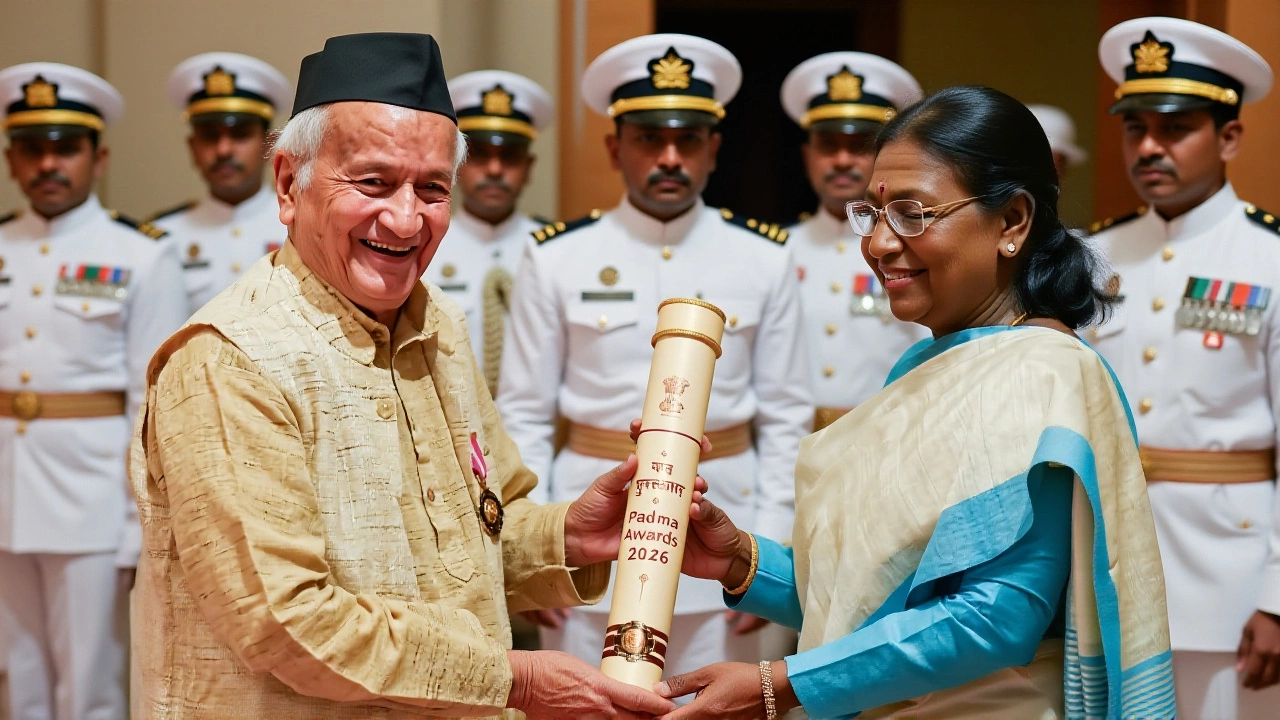
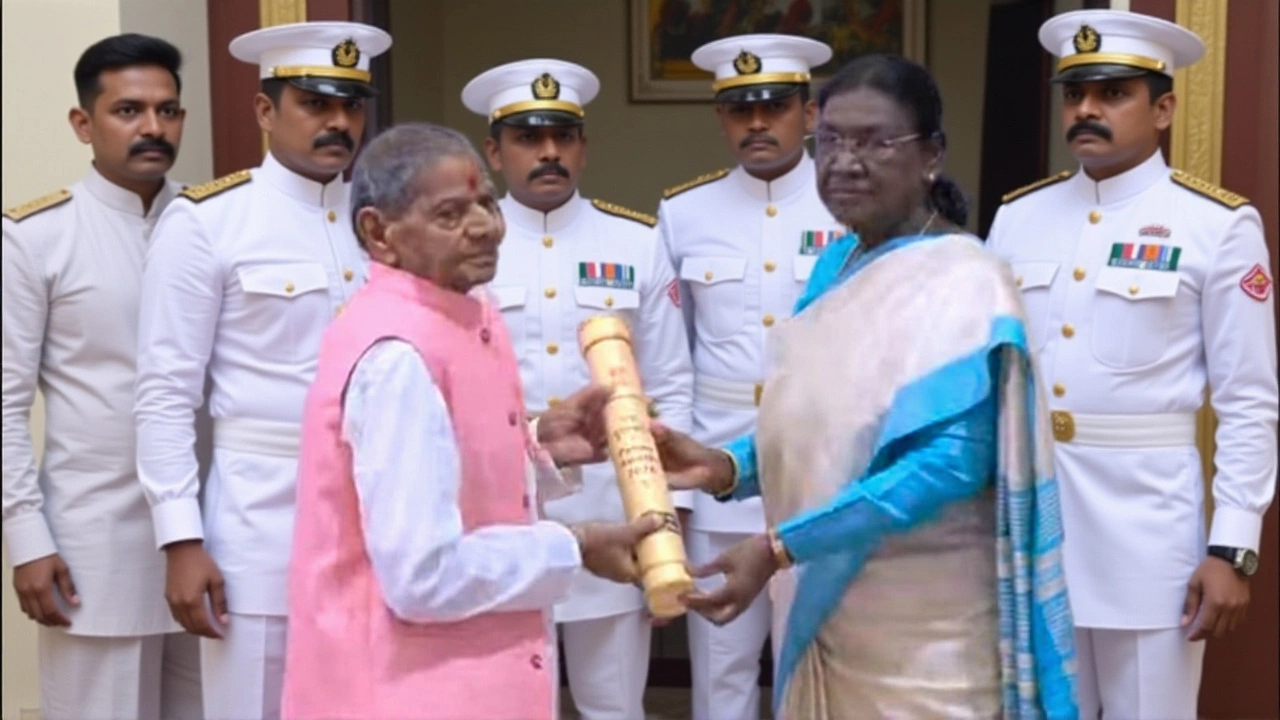
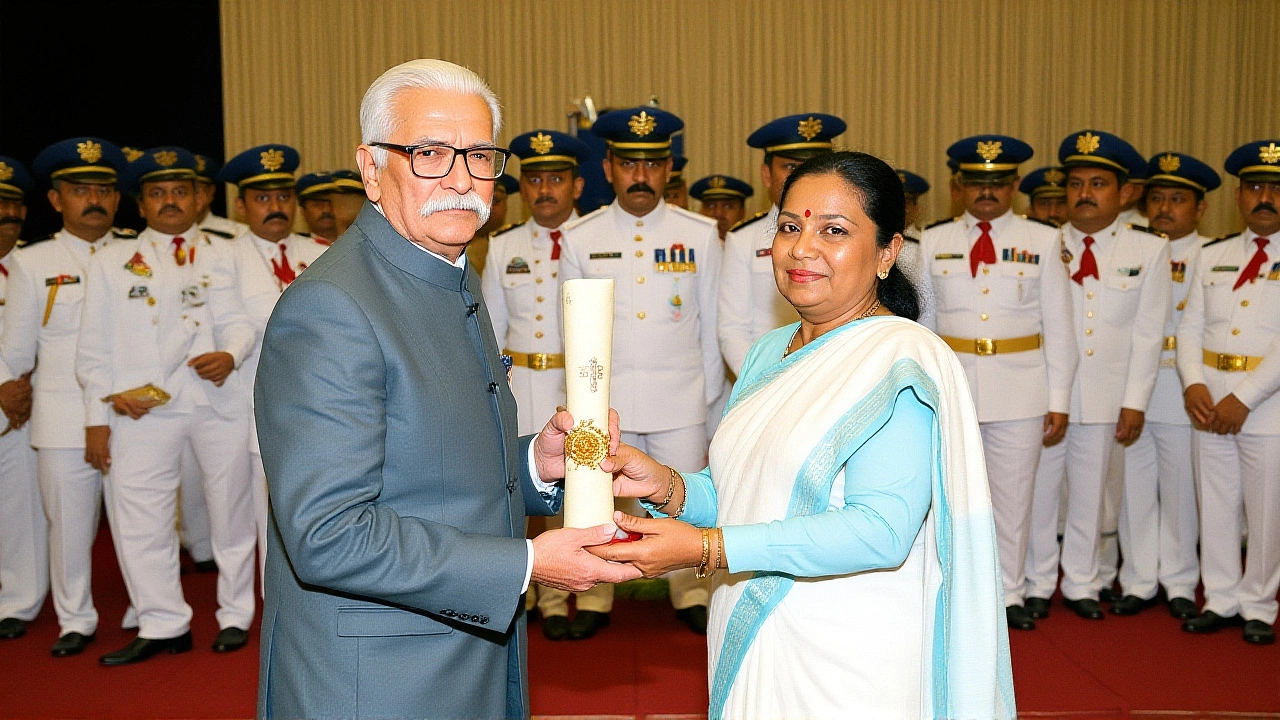
When Droupadi Murmu, President of India, handed out the nation's highest civilian honors on May 25, 2026, the room buzzed with a mix of nostalgia and fresh recognition. It wasn't just another ceremonial morning in New Delhi; it was a moment where cinema legends, political veterans, and scientific pioneers shared the same stage. The President honored 66 individuals in this first phase of the Padma Awards Ceremony 2026Rashtrapati Bhavan, marking the beginning of a year-long celebration of excellence across arts, science, medicine, and public affairs.
Here’s the thing about these awards—they’re not just medals; they’re a snapshot of what India values at a given moment. This year, the list tells a story of deep roots and diverse branches. From the late Bollywood icon Dharmendra receiving a posthumous Padma Vibhushan to former Uttarakhand Chief Minister Bhagat Singh Kochari being recognized for his decades in public service, the selections bridge generations. A total of 131 awards were approved for 2026, but only 66 recipients were present for this inaugural ceremony. The remaining 65 will be honored in subsequent phases later in the year.
The Heavyweights: Vibhushan and Bhushan Recipients
The top tier of the awards, the Padma Vibhushan, went to five distinguished figures. Among them was the legendary actor Dharmendra, whose contributions to Indian cinema earned him the honor posthumously. His presence, even in absence, dominated the conversation among film buffs attending the event. Also receiving the Vibhushan was renowned violinist N. Rajam, a testament to the enduring power of classical music in the national narrative.
In the Padma Bhushan category, which recognizes distinguished service of a higher order, six names stood out in the initial reports. Former Uttarakhand Chief Minister and ex-Governor of Maharashtra Bhagat Singh Kochari received the award for his work in Public Affairs. Kochari, born in 1942 in Bageshwar district, has had a long political journey, serving as an MP from Nainital and holding key positions in the BJP. Alongside him, business leaders Uday Kotak and Piyush Pandey were also honored, reflecting the growing recognition of corporate and creative leadership in national discourse.
Science, Medicine, and the Global Diaspora
While politics and entertainment grab headlines, the bulk of the 131 awards—113 Padma Shris—went to unsung heroes in science, engineering, and medicine. The list is surprisingly global. Take Prateek Sharma, for instance, who received the Padma Shri from the United States. It’s a reminder that Indian talent doesn’t stop at borders.
In the medical field, names like Armida Fernandes from Maharashtra and Gudur Venkat Rao from Telangana were cited for their breakthroughs. In science and engineering, A.E. Muthunayagam (Kerala) and Ashok Kumar Singh (Uttar Pradesh) were recognized. What’s interesting here is the geographic spread. From Ladakh’s Padma Gurmeet to Chhattisgarh’s Ramchandra Godbole, the awards reflect a deliberate effort to include voices from remote and underrepresented regions. It’s not just about metro-centric success anymore.
Gender Balance and Statistical Shifts
One statistic that shouldn’t be overlooked: 19 women are among the 131 awardees. While still a minority, this represents a conscious push toward gender balance in fields traditionally dominated by men. In sectors like engineering and administration, female recipients are becoming more visible, signaling a slow but steady cultural shift. Experts note that while progress is being made, there’s still a long way to go to achieve true parity in high-level recognition.
What’s Next for the Remaining Awardees?
The ceremony on May 25 was just the opening act. With 65 awards yet to be presented, speculation is already mounting about when and where the next phase will occur. Typically, these follow within weeks or months, often coinciding with other national holidays or significant dates. For those left waiting, the anticipation adds its own layer of prestige. But for now, the focus remains on the 66 who stepped up to receive their tokens of national gratitude.
Background: The Evolution of Padma Awards
The Padma Awards, instituted in 1954, have evolved significantly over the decades. Initially focused on administrative and military achievements, they now encompass a wide array of fields including art, literature, sports, and social work. The 2026 list continues this trend of diversification. Bhagat Singh Kochari’s inclusion, for example, highlights the continued importance of political service, while N. Rajam’s honor underscores the timeless value of artistic mastery. As India moves deeper into the 21st century, these awards serve as both a mirror and a map—reflecting current achievements and charting future aspirations.
Frequently Asked Questions
Who received the Padma Vibhushan in 2026?
Five individuals received the Padma Vibhushan, the second-highest civilian award. Notable recipients include the late Bollywood actor Dharmendra (posthumously) and celebrated violinist N. Rajam. These awards recognize exceptional and distinguished service in any field of human endeavor.
Why did Bhagat Singh Kochari receive the Padma Bhushan?
Bhagat Singh Kochari was honored with the Padma Bhushan for his extensive contributions to Public Affairs. As a former Chief Minister of Uttarakhand, Governor of Maharashtra, and long-time BJP leader, his career spans several decades of significant political engagement and public service.
How many total Padma Awards were announced for 2026?
A total of 131 Padma Awards were approved for 2026. This includes 5 Padma Vibhushans, 13 Padma Bhushans, and 113 Padma Shris. However, only 66 awardees were honored in the initial ceremony held on May 25, with the remaining 65 to be recognized in future phases.
Are there any international recipients among the 2026 awardees?
Yes, the list includes recipients from outside India. For example, Prateek Sharma from the United States was awarded the Padma Shri. This reflects the government’s effort to recognize Indian-origin individuals who have made significant contributions globally in fields like medicine and science.
What is the significance of the number of female awardees?
Nineteen women are among the 131 awardees for 2026. While this is still a small percentage, it marks a notable increase in female representation in categories like science, engineering, and administration, highlighting a gradual shift toward greater gender inclusivity in national honors.