 May, 26 2026
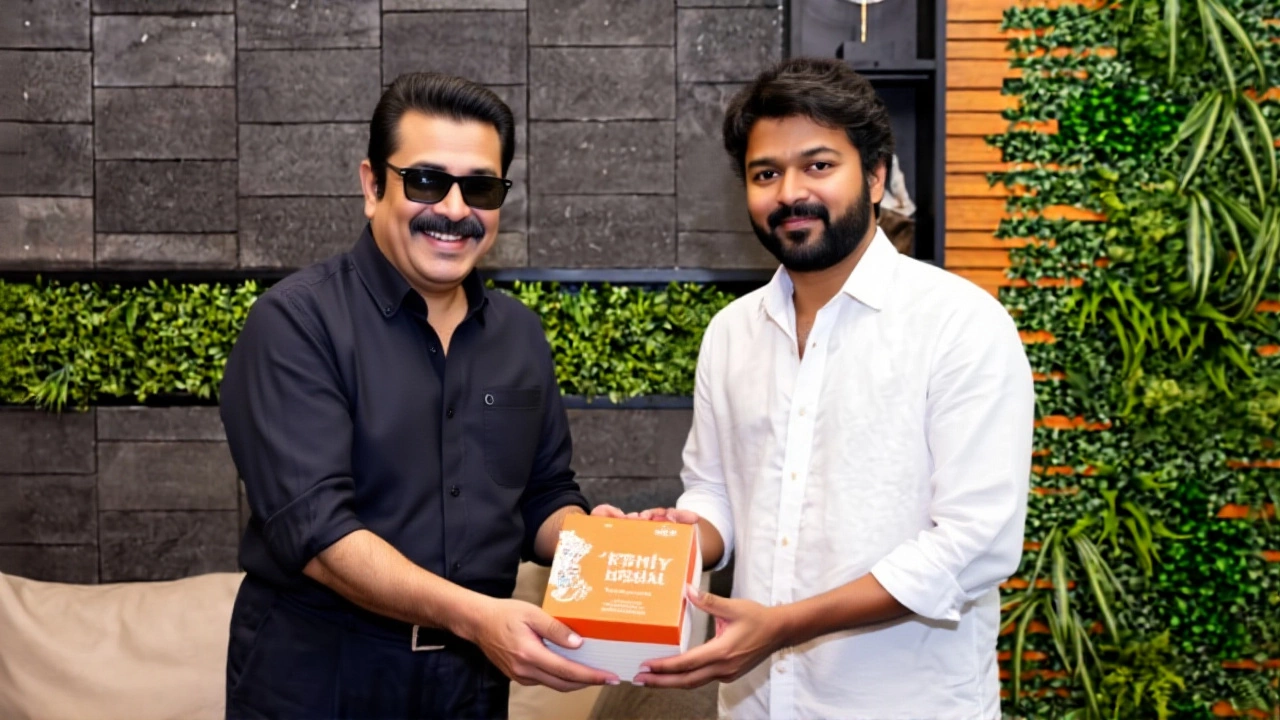
When Kamal Haasan, the veteran actor and filmmaker of South India, walked into the office of Vijay Thalapathy, the newly appointed Chief Minister of Tamil Nadu, on May 17, 2026, it wasn't just a polite handshake. It was a strategic intervention.
The meeting, which took place in Chennai, marked Haasan’s first official courtesy visit to the new leadership. But unlike typical ceremonial greetings, this session carried weight. Haasan didn’t just offer congratulations; he presented a structured list of six critical demands aimed at revitalizing the struggling Tamil film industry.
Here’s the thing: the atmosphere wasn’t tense, but it was serious. Photos from the encounter quickly went viral on social media, showing the two icons engaged in deep discussion. Afterward, Haasan shared a sentiment that resonated across fan circles and political observers alike: "I felt proud." That pride, however, came with a clear agenda for change.
A Strategic Meeting for Industry Survival
Context matters here. The Tamil film industry has been grappling with significant headwinds since the pandemic era. Revenue models are shifting, piracy is rampant, and traditional theater owners are fighting for survival. By stepping directly into the Chief Minister’s office, Haasan bypassed bureaucratic layers to address these issues at the highest level.
This isn’t Haasan’s first foray into policy advocacy. As a founder of the Makkal Needhi Maiam party, he understands the intersection of art and governance. However, this specific meeting on May 17 stands out because of its immediacy. Vijay Thalapathy had only recently assumed the mantle of leadership, making this an early test of his administration’s commitment to cultural sectors.
The details emerging from the room are specific. Reports from major outlets like Aaj Tak confirm that Haasan laid out exactly six points. While the full dossier remains private, two demands have already surfaced as priorities:
- Launch of a Government-Owned OTT Platform: Haasan argued for a state-backed streaming service. The logic? To provide a legitimate, high-quality alternative to fragmented private players and ensure revenue stays within the ecosystem.
- Strict Anti-Piracy Measures: The second point focused on technology and law enforcement to curb illegal uploads. This is a perennial pain point, with filmmakers losing millions annually to unauthorized streams.
The remaining four demands, though not fully detailed in initial reports, are understood to relate to tax incentives, infrastructure support for independent filmmakers, and labor rights for crew members. These aren’t vague wishes; they are actionable policy requests.
Why This Matters Beyond Cinema
Turns out, this meeting signals a broader shift in how entertainment leaders engage with politics in South India. For decades, actors often stayed away from direct policy lobbying unless running for office themselves. Haasan’s move bridges that gap.
Consider the economic impact. The Tamil film industry contributes significantly to the state’s GDP through tourism, employment, and digital exports. If piracy continues unchecked or if distribution channels remain inefficient, those numbers drop. By framing these issues as economic imperatives rather than just artistic concerns, Haasan gave the government a compelling reason to act.
Experts note that a government-run OTT platform could disrupt the current market dominated by giants like Netflix and Amazon Prime. It might sound ambitious, but Kerala and Maharashtra have explored similar concepts to support local content. If Tamil Nadu succeeds, it could set a precedent for other Indian states.
Reactions and Ripple Effects
The reaction online was immediate. Social media users praised Haasan for using his influence responsibly. "Finally, someone speaking up for the technicians," read one popular tweet. Others were skeptical, questioning whether a government platform could compete with global tech budgets.
Vijay Thalapathy’s response has been measured but positive. In subsequent public appearances, he acknowledged the importance of the creative sector without committing to specific timelines. This diplomatic approach suggests the government is taking the demands seriously but needs time to draft legislation.
Industry bodies like the Film Producers Council and the Directors Guild have also weighed in. They view Haasan’s intervention as a catalyst. "We’ve been writing letters for years," said one producer anonymously. "Having Kamal Haasan deliver the message changes the dynamic entirely."
What’s Next for Tamil Cinema?
The ball is now in the government’s court. We can expect a committee formation within the next few weeks to review the six demands. If history is any guide, anti-piracy laws are likely to be tightened first, as that requires less infrastructure investment than building an OTT platform.
Watch for announcements regarding budget allocations in the upcoming fiscal quarter. The success of this initiative will depend on execution. A poorly managed government OTT could become a financial burden, while a well-executed one could empower thousands of artists.
For now, the image of Haasan and Thalapathy talking in that Chennai office serves as a symbol of collaboration. It’s a reminder that when culture meets governance, the results can be transformative—if handled with care.
Frequently Asked Questions
What were the 6 demands Kamal Haasan made to CM Vijay?
While the complete list hasn't been publicly released, two confirmed demands include launching a government-owned OTT platform and implementing stricter anti-piracy measures. The other four points reportedly cover tax incentives for filmmakers, improved infrastructure for production units, better labor rights for crew members, and funding for independent cinema projects.
Why did Kamal Haasan feel 'proud' after the meeting?
Haasan expressed pride because he successfully initiated a direct dialogue with the new leadership about critical industry issues. He viewed the willingness of Chief Minister Vijay Thalapathy to listen as a positive sign for the future of Tamil cinema and its workers.
How does a government OTT platform help filmmakers?
A state-backed OTT platform would provide a guaranteed distribution channel for local content, reducing dependence on private algorithms that may favor big-budget films. It ensures fair revenue sharing and promotes regional languages, giving smaller productions a viable marketplace.
When did this meeting take place?
The meeting occurred on May 17, 2026, shortly after Vijay Thalapathy assumed the role of Chief Minister of Tamil Nadu. It was Haasan's first official courtesy visit to the new administration.
Is piracy a major issue in the Tamil film industry?
Yes, piracy causes massive financial losses every year. Illegal uploads often appear within hours of a movie's theatrical release, drastically cutting into box office earnings and digital licensing deals. Stricter enforcement and technological solutions are urgently needed.